 Mr John
Bringing home a small puppy is exciting, but for many first-time dog owners, it quickly becomes a mix of joy and confusion. The reality is that even small mistakes in the beginning can affect training, behavior, and daily life with your puppy.
The good news is that most of these mistakes are simple to avoid once you understand them. In this guide, you’ll learn the most common small puppy mistakes and how to fix them early.
Expecting Too Much Too Soon
A small puppy doesn’t understand rules on day one. Everything—potty training, behavior, and routines—is completely new to them.
Many owners expect fast results, but training is always a slow process. Small daily progress is what really builds long-term behavior.
Choosing a Puppy Based Only on Looks
It’s very common to fall in love with a cute puppy and ignore everything else.
But some small dog breeds for beginners may look easy at first and later turn out to be more active or demanding than expected. Personality and lifestyle fit matter far more than appearance.
Skipping Early Training and Socialization
The early weeks are the most important stage in a puppy’s life.
Without proper training and social exposure, even small dogs can develop fear, barking issues, or poor behavior around people and environments.
Simple daily interaction makes a huge difference.

Being Inconsistent With Rules
One of the biggest mistakes is changing rules too often.
If a small puppy is allowed on the sofa one day and not the next, it creates confusion. Puppies learn best when routines are simple and consistent.
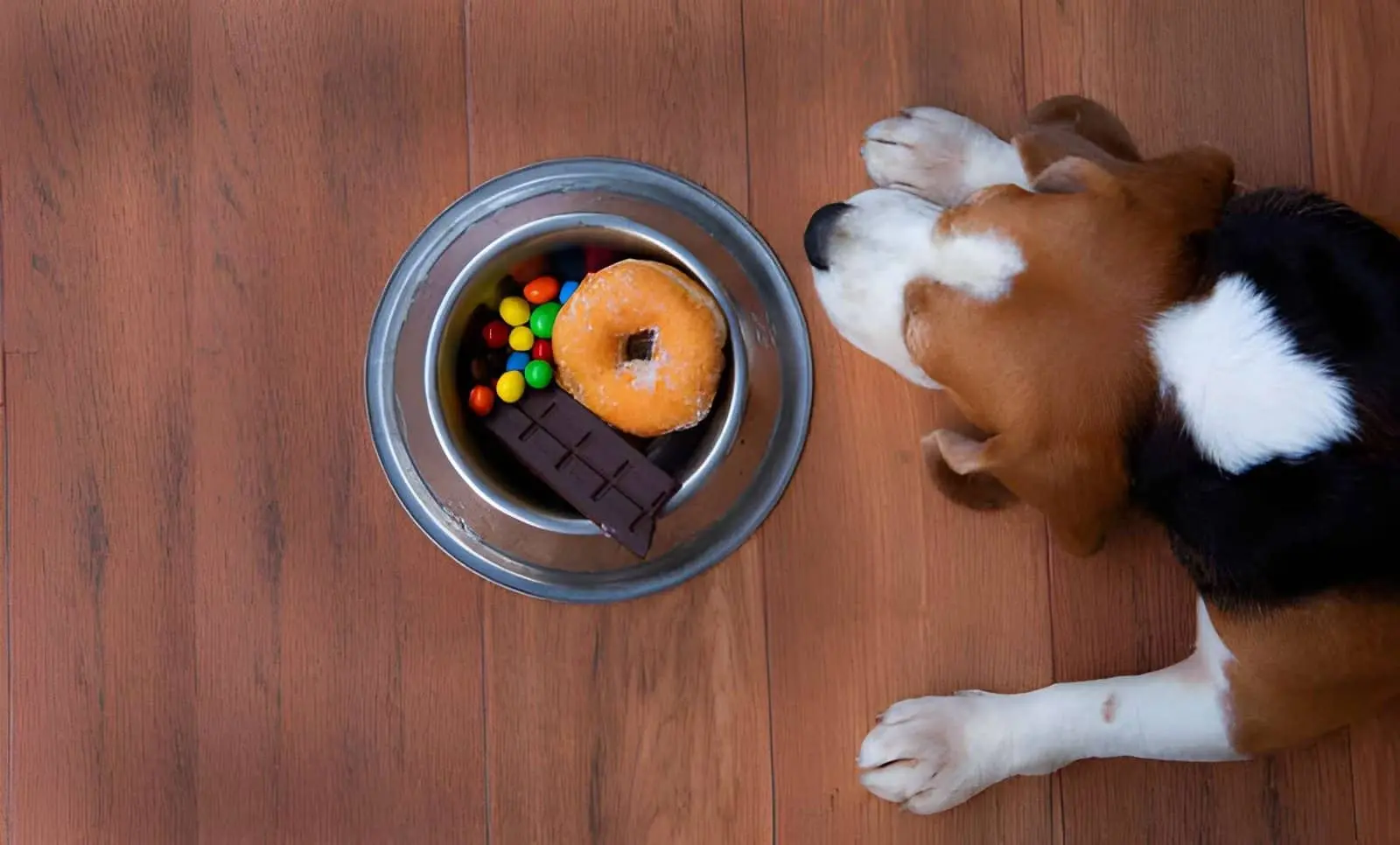
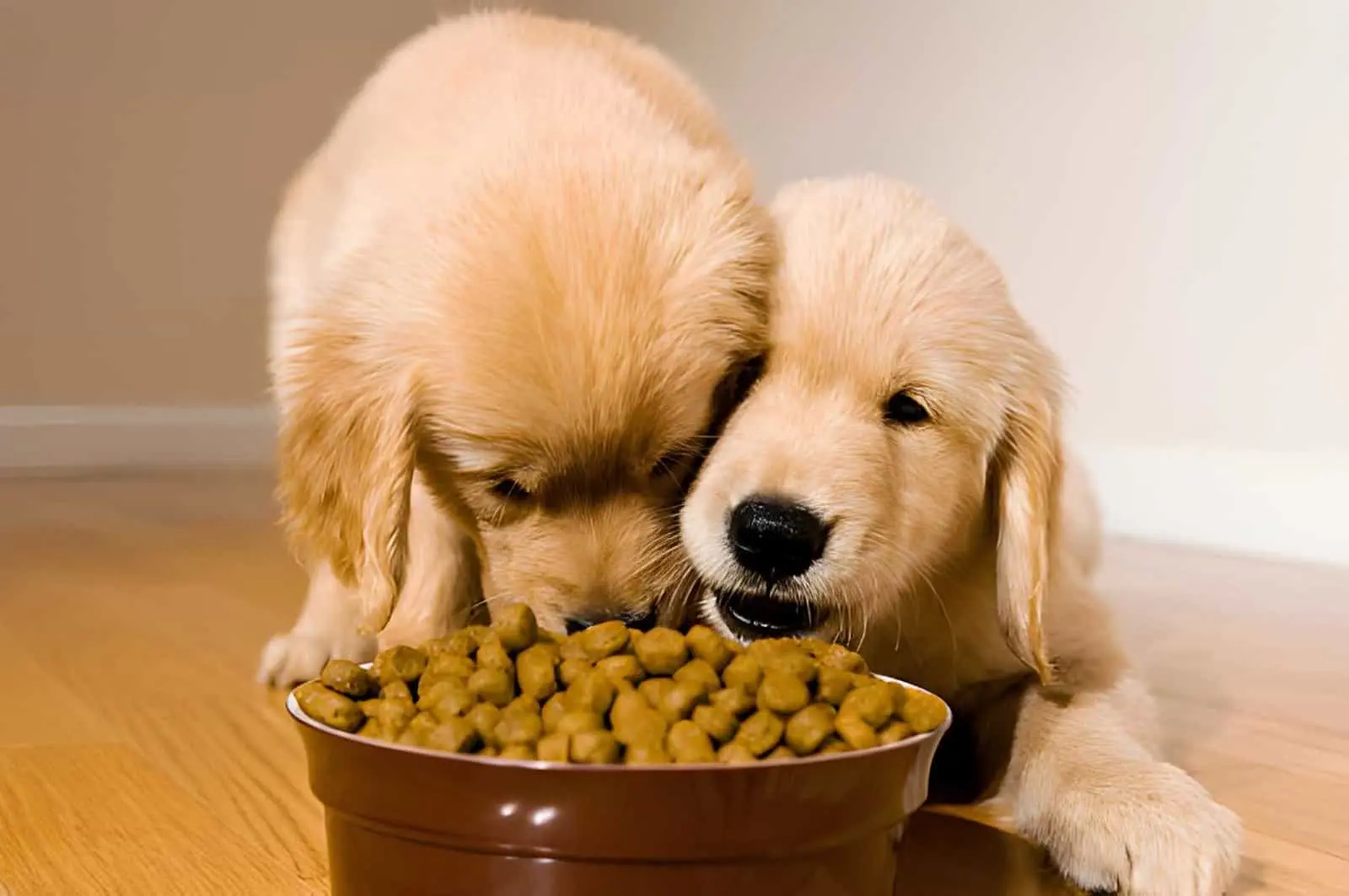
Overfeeding or Unstructured Feeding
Feeding a puppy is not just about food—it’s about routine.
Irregular meals or overfeeding can lead to health issues and behavior problems. A simple feeding schedule helps your puppy feel secure and balanced.

Most first-time dog owners go through a similar experience. The beginning often feels messy—sleep issues, small accidents, and a lot of energy everywhere.
But with time, things start to change.
One puppy owner shared how their small puppy used to ignore commands, run around the house, and create constant chaos. At first, it felt overwhelming. But instead of trying to fix everything at once, they focused on simple routines, short training sessions, and patience.
After a few weeks, the puppy slowly started to understand. It became calmer, more predictable, and eventually part of the family rhythm.
That’s the real truth about raising a small puppy—it’s not about perfection. It’s about consistency, patience, and small daily progress that builds trust over time.